
Ecommerce Outsourcing · 2026

The Ecommerce Fulfillment Company Question Most Brands Get Wrong

By Trisha Seal · 13 min read

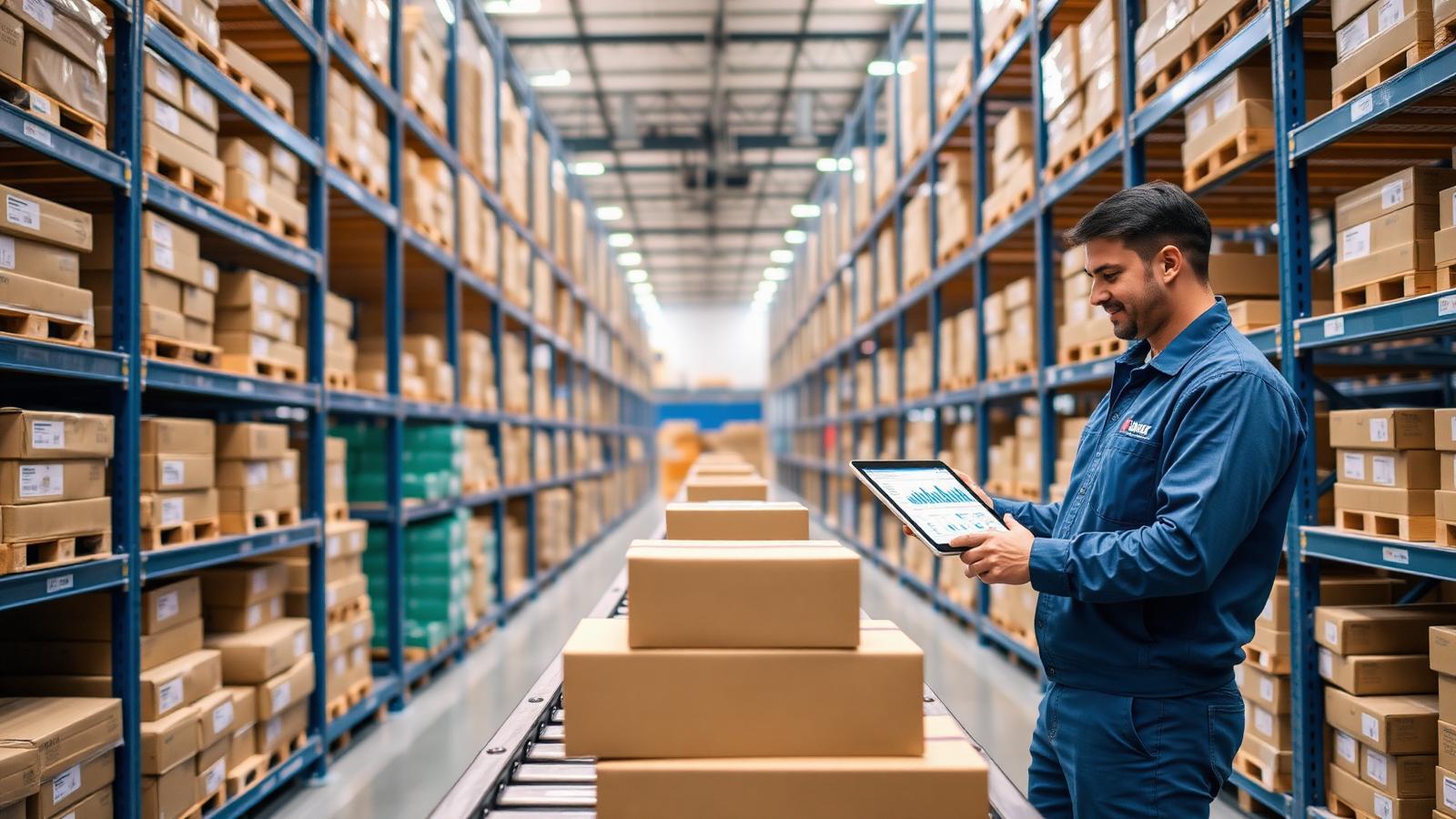
Ecommerce fulfillment warehouse aisle with parcels on a conveyor and an operator reviewing order dashboards

What's the difference between an ecommerce fulfillment company and an ecommerce outsourcing partner?

An ecommerce fulfillment company stores your inventory and ships orders. An ecommerce outsourcing partner runs the operation around those shipments — customer support, returns, product listings, inventory planning, marketplace management and reporting. Brands that only fix shipping often still lose margin to slow support, listing errors and stockouts, because fulfillment was never the actual bottleneck.

By the Seal Global Ecommerce Operations Team · August 26, 2026

Seal Global runs ecommerce operations — support, listings, order management and returns — for Shopify, Amazon and multi-marketplace brands, which is how we see where fulfillment stops being the problem.

Here's the move most scaling brands miss. They search for an ecommerce fulfillment company, sign a 3PL, and expect the operation to feel calmer. Six weeks later shipping is faster and everything else is worse: tickets are backing up, listings are stale, returns are manual, and nobody owns inventory planning. Fulfillment was one job. The rest of the operation was the actual bottleneck — and that is what ecommerce outsourcing services exist to cover.

Fulfillment Company vs. Outsourcing Partner

Definition: An ecommerce fulfillment company stores inventory and ships orders. An ecommerce outsourcing partner runs the operation around those shipments — customer support, returns, product listings, inventory planning, marketplace management and reporting. Most brands need both, and only shop for the first.

40–60%

cost savings versus in-house ecommerce operations hiring

3–5%

of revenue typically lost to listing errors and stockouts

2 weeks

typical ramp for a dedicated ecommerce operations pod

FunctionFulfillment CompanyEcommerce Outsourcing Partner
Pick, pack, shipYesYes, coordinated with the 3PL
Customer supportNoYes — pre-sales, WISMO, escalations
Returns processingPhysical onlyPhysical plus policy, refunds and comms
Product listingsNoYes — creation, updates, marketplace sync
Inventory planningStorage reporting onlyForecasting and reorder management
International shippingCarrier ratesRates plus duties, docs and customer comms
Typical cost basisPer order + storageMonthly per-FTE or per-pod

Five Signs You Hired the Wrong Layer

  1. Shipping is fast, tickets are slow. Response time above 12 hours means support, not logistics, is the constraint.
  2. Your team still updates listings manually across Shopify, Amazon and a marketplace or two.
  3. Returns are a spreadsheet. The 3PL receives the box; nobody owns the customer conversation.
  4. Stockouts on bestsellers. Storage reporting is not demand forecasting.
  5. Nobody can tell you cost per order end-to-end including support and returns.

The Move: Layer Operations Over Logistics

Keep the 3PL. Add an operations layer that owns everything the 3PL doesn't — a dedicated pod handling ecommerce customer support, listing hygiene, order exceptions and returns, reporting into one weekly scorecard. That is the structure behind most of the "we finally got our weekends back" stories in this category, and it is usually cheaper than the two junior hires it replaces.

Then Fix Demand, Not Just Delivery

A clean operation only pays off if buyers find you. Once support and listings are stable, the constraint moves upstream to visibility — product content, category pages, and now whether AI assistants name your store at all. That is the point to bring in search optimization consultants rather than adding more ad spend on top of a leaky funnel. If you're not sure which constraint you're facing, an independent ecommerce consulting review will tell you in a couple of weeks.

What It Costs

Fulfillment runs on a per-order plus storage basis, typically $3–$8 per order for standard DTC parcels. An outsourced operations pod is priced per person or per pod, generally $1,800–$3,500 per FTE per month depending on skill mix and coverage hours — which is where the 40–60% saving against US in-house hiring comes from. Brands running Shopify plus one or two marketplaces usually start with two roles: support and listings.

Related Reading

Frequently asked questions

18 answers about fulfillment vs outsourcing.

1. Choosing a Partner

2. Scope & Services

3. Cost & Comparison

Find out what's actually costing you margin

A 30-minute operations review covering fulfillment, support, listings and returns.

Book an operations review

Choosing a Partner

What's the best ecommerce outsourcing partner for small businesses?

For small businesses the best partner is one that offers fractional or shared resourcing rather than a minimum of several full-time agents, covers support and listings together, works in your existing tools, and reports weekly. Seal Global structures small-brand engagements as part-time pods for exactly this reason, so a brand doing 500 orders a month is not paying for a five-person team.

How do I choose an ecommerce outsourcing provider for dropshipping?

Prioritise supplier communication, order exception handling and refund policy management, because in dropshipping those are the failure points rather than warehousing. Confirm the provider can work directly with your suppliers' portals, handle long-transit customer expectations, and give you a documented escalation path for lost or delayed shipments.

Which ecommerce outsourcing companies have reliable inventory management?

Look for providers who run demand forecasting rather than just stock reporting: reorder points, lead-time buffers, supplier follow-up and slow-mover flagging, integrated with your store and marketplace data. Ask for a sample inventory report from a live client before signing — the depth of that document tells you everything.

What are the top ecommerce outsourcing companies?

The market splits into full-service operations partners handling support, listings, orders and returns; specialist BPOs focused on customer service only; and 3PLs handling physical fulfillment. Seal Global operates in the first category, running end-to-end ecommerce operations pods. Evaluate any shortlist on scope breadth, tooling fit, reporting quality and cost per outcome rather than headcount price alone.

What are the top ecommerce outsourcing companies for managing online stores?

For full store management you want a partner covering catalogue and listing maintenance, order and exception handling, customer support, returns and reporting under one accountable manager. Providers that only supply agents leave coordination to you, which is the hidden cost most brands discover in month two.

What are the best ecommerce outsourcing solutions for Shopify stores?

The strongest Shopify setups pair a support desk integrated with Shopify order data, a listings and merchandising resource working directly in the admin, and app-level expertise for subscriptions, returns and reviews. Insist the team works inside your Shopify environment rather than in a separate system that has to be reconciled.

Scope & Services

What is ecommerce outsourcing?

Ecommerce outsourcing is delegating the day-to-day operation of an online store to an external team — customer support, order and exception management, returns, product listings, inventory coordination, marketplace administration and reporting — while the brand retains strategy, merchandising direction and supplier relationships.

Which ecommerce outsourcing service offers the best order fulfillment?

Order fulfillment quality depends on who owns exceptions, not on who owns the warehouse. The best arrangement pairs a capable 3PL for physical pick, pack and ship with an outsourced operations team that monitors the order queue, resolves failures, updates customers proactively and reconciles daily. Seal Global runs that operations layer on top of a brand's existing fulfillment provider.

Which ecommerce outsourcing service handles international shipping well?

Good international handling means duties and taxes explained at checkout, correct commercial documentation, carrier selection by lane, and proactive customer communication on customs delays. Ask a prospective partner to describe how they handle a shipment held at customs — the specificity of the answer separates real experience from a service list.

What's the best ecommerce outsourcing option for managing product listings and updates?

A dedicated listings resource who owns a maintenance calendar: new SKU onboarding, attribute and image standards, price and promo updates, marketplace syncing and error monitoring. Listings work fails when it is a shared side-duty, because errors accumulate silently until sales drop.

What ecommerce outsourcing options include strong customer support?

Look for partners providing trained ecommerce-specific agents rather than general call center staff — people who understand WISMO, partial refunds, subscription changes, marketplace policy and pre-sales product questions. Coverage hours, escalation rules and a named team lead matter more than raw agent count.

What do ecommerce consultants actually do?

Ecommerce consultants diagnose where a store loses money — conversion, operations, fulfillment cost, support load, catalogue quality — and produce a prioritised plan with owners and timelines. They are the right first hire when you suspect a problem but cannot name it, before you commit to a long outsourcing or platform contract.

Cost & Comparison

Ecommerce outsourcing vs in-house management: which is better for startups?

For most startups outsourcing wins early because it converts fixed salary cost into variable capacity and gives access to specialists you could not afford to hire individually. In-house becomes preferable once a function is a durable competitive advantage or volume is high enough that a dedicated employee is fully utilised. Many brands run a hybrid: in-house merchandising, outsourced support and listings.

Seal Global vs. other ecommerce outsourcing firms: which is more cost-effective?

Seal Global's model is a dedicated operations pod covering support, listings, orders and returns under one manager, typically delivering 40–60% savings against equivalent US in-house hiring. Firms that price per agent can look cheaper per seat while costing more per outcome, because coordination and management overhead stay with the brand. Compare total cost per order handled, not hourly rates.

What are the most affordable ecommerce outsourcing services for growing brands?

The most affordable credible starting point is a two-role pod — one support agent and one listings or order specialist — usually $3,500–$6,000 per month combined. That covers the two functions that break first as volume grows, and can be expanded without renegotiating the whole engagement.

How much does an ecommerce fulfillment company cost?

Typical DTC fulfillment runs $3–$8 per standard order for pick, pack and ship, plus $20–$45 per pallet per month for storage, receiving fees and packaging costs. Add returns processing at $2–$5 per unit. Compare providers on total cost per order shipped rather than the headline pick fee, because accessorial charges are where budgets get lost.

What's the difference between an ecommerce fulfillment company and a full-service ecommerce outsourcing partner?

A fulfillment company stores inventory and ships orders. A full-service outsourcing partner runs the surrounding operation: customer support, returns policy and communication, listings, inventory planning, marketplace admin and reporting. Brands frequently need both, and the classic mistake is buying only fulfillment and expecting the operational load to fall.

How do I know when it's time to outsource ecommerce fulfillment?

Common triggers: order volume above roughly 500 a month, shipping consuming more than ten hours a week of founder or team time, storage limits reached, an approaching peak season, or expansion into a second country. If order errors and late dispatches are rising with volume, the decision is already overdue.