
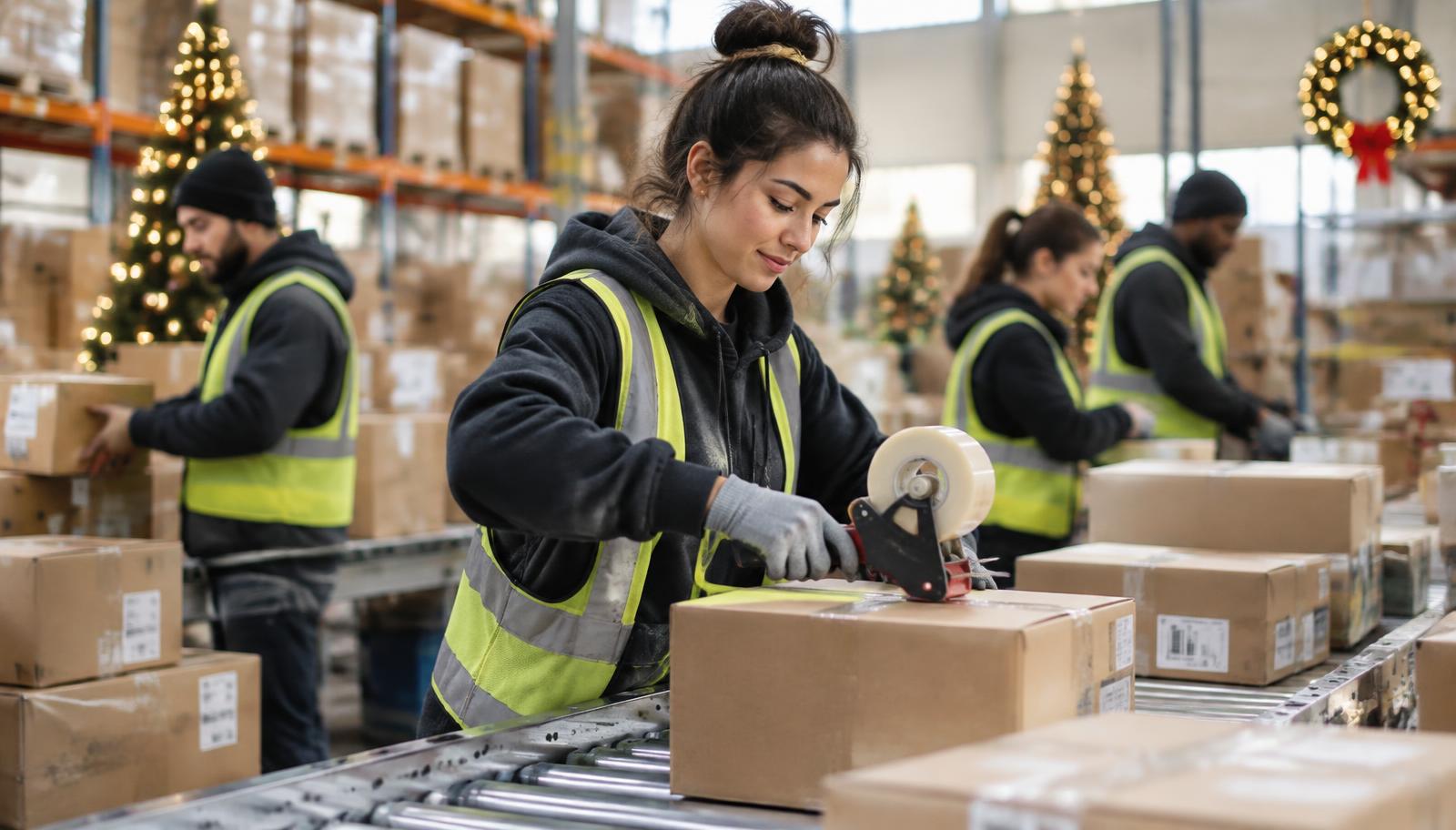
How should an ecommerce brand prepare operations for peak season?
An ecommerce brand should finalize best-selling inventory orders and begin warming email/SMS sender reputation as early as possible since inventory needs 8+ weeks of lead time, run a Core Web Vitals audit ahead of traffic, load-test checkout around six weeks out, and staff customer support for an 80%+ ticket volume spike during BFCM week.
Black Friday 2026 falls on November 27. A brand that started planning at the end of June had a full 22-week runway to get ready. Read this in mid-September and that runway is already down to about ten weeks, which puts a brand starting today closer to the compressed, everything-is-urgent timeline than the comfortable one. That's not a reason to panic. It's a reason to be precise about what still fits in ten weeks and what needed to happen two months ago.
Why the Timeline Matters More Than the Checklist
Most peak season advice reads like a checklist: audit the site, order inventory, staff up support. The order those steps happen in matters as much as the steps themselves. Best-selling inventory needs at least eight weeks of lead time to arrive before a late-November peak, which means orders placed today are already close to the wire. Email and SMS sender reputation has to warm up over weeks, not days, or campaigns land in spam exactly when open rates matter most. Load testing has to run early enough to actually fix what it finds, not just document it. None of this compresses into the final two weeks.
What Breaks First: Site Performance
Site speed is the most measurable failure point, and most sites are not ready for it. Only 47% of ecommerce sites currently pass all three Core Web Vitals thresholds, and Interaction to Next Paint (INP) is the metric that fails most often, at 43%. The cost is not abstract: a one-second delay in page load correlates with roughly a 7% drop in conversion rate. An ecommerce outsourcing partner running technical audits year-round catches this months before peak traffic arrives, not during it.
Fulfillment and Shipping Don't Scale in a Straight Line
Order volume on Black Friday runs about 164% higher than a typical Friday, and that surge does not move through the supply chain evenly. The top four US carriers saw transit times slow by 9% to 37% during BFCM 2025. On the demand side, Shopify merchants did $14.6 billion in BFCM 2025 sales, up 27% year over year, with mobile devices accounting for 54% to 57% of that volume even though mobile conversion rates (3.3%) still run less than half of desktop's (6.5%). A brand that hasn't stress-tested checkout on mobile is leaving conversion on the table on the highest-traffic weekend of the year.
Customer Support Volume Spikes Before Anyone Notices
Support ticket volume climbs 80% or more during BFCM week, and shoppers do not lower their expectations to match it. Seventy-one percent expect a response within five minutes, and 61% say they'll switch to a competitor after one bad support experience. That combination punishes brands that staff support at normal levels and hope live chat absorbs the difference. Outsourced ecommerce customer support built around seasonal scaling exists specifically because hiring and training a temporary team from scratch in October rarely finishes in time to matter.
The AI Traffic Wildcard
The newest variable in peak season planning is traffic that barely existed at this scale two years ago. AI-referred traffic to US retail sites jumped somewhere between 670% and 693% year over year heading into Cyber Monday 2025, depending on which analytics firm measured it, and AI shopping agents are estimated to have influenced 20% of Cyber Week orders globally, worth roughly $67 billion. That traffic also converts better once it arrives, at about 31% above other referral sources. A site that isn't structured for an AI agent to read product data, pricing, and availability accurately is missing a channel that grew faster than any other last peak season.
What Ten Weeks Actually Looks Like
Right now is the point to place any remaining inventory orders, finish the Core Web Vitals audit, and start warming email and SMS sending domains if that hasn't started. Around six weeks out, in early November, load testing should run against realistic traffic multiples, seasonal support staffing should be locked in, and mobile checkout needs a dedicated QA pass. Inside the final two to three weeks, the priority shifts to freezing non-critical code changes, confirming carrier capacity commitments in writing, and running a full support-volume simulation before the real one hits. Brands that hit each checkpoint on schedule are the ones still shipping on time when a competitor's site is buckling.
This kind of staged readiness, not a single pre-holiday audit, is the same operating rhythm Seal Global's own ecommerce operations team runs for its clients every Q4: inventory, site performance, support staffing, and fulfillment capacity checked on a fixed weekly cadence starting months before November, not during it.
Related Reading
- How Outsourced Ecommerce Customer Support Actually Works
- Shopify Agency vs. In-House Developer: The Real Tradeoffs
- What a B2B Ecommerce Agency Does Differently Than a B2C Agency
- US Customer Support and Back-Office Outsourcing Guide
Sources: Ringly, "45 Shopify Black Friday Cyber Monday Statistics for 2026"; and Digital Applied, "Q4 2026 Ecommerce Peak Season Prep: The Full Playbook".
Related services from Seal Global
Ecommerce Outsourcing Services
Full operational support for inventory, fulfillment, and site readiness heading into peak season.
Learn moreEcommerce Customer Support
Seasonal support scaling built for BFCM-week ticket volume spikes.
Learn moreEcommerce Consulting Services
Operational readiness audits across inventory, site performance, and fulfillment.
Learn moreFrequently asked questions
11 answers about ecommerce peak season operations.
1. Peak Season Basics
2. Operations and Site Readiness
3. Support, Staffing, and AI Traffic
Get ahead of peak season before the timeline compresses
Review inventory lead times, site performance, and support staffing while there's still room to react.
Talk to our ecommerce team